Essential Outboard Maintenance Tips for Local Boaters
Maintaining your outboard motor is crucial for ensuring a smooth and enjoyable boating experience. Whether you're a seasoned boater or just starting out, understanding the basics of outboard maintenance can save you time, money, and frustration. In this post, we will explore essential maintenance tips that every local boater should know.

Understanding Your Outboard Motor
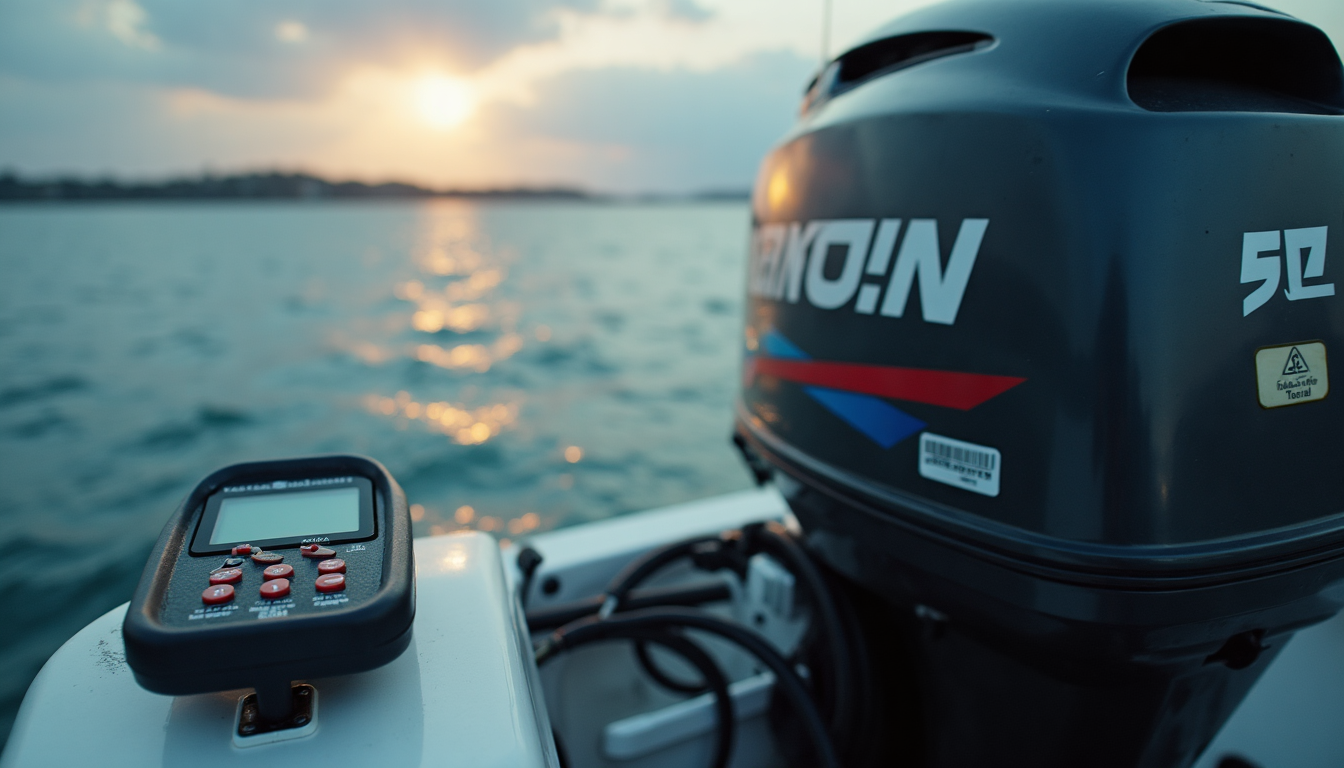
Before diving into maintenance tips, it's important to understand the components of your outboard motor. An outboard motor consists of several key parts, including:
Powerhead: The engine that generates power.
Lower Unit: Contains the gears and propeller.
Fuel System: Includes the fuel tank, lines, and filters.
Cooling System: Ensures the engine doesn't overheat.
Familiarizing yourself with these components will help you identify potential issues and perform maintenance more effectively.
Regular Inspections
Regular inspections are the foundation of effective outboard maintenance. Here are some key areas to check:
Visual Inspection
Look for Leaks: Check for any signs of fuel or oil leaks around the motor.
Inspect Hoses and Connections: Ensure that all hoses are secure and free from cracks or wear.
Check the Propeller: Look for any damage or debris that could affect performance.
Engine Performance
Listen for Unusual Noises: Strange sounds can indicate mechanical issues.
Monitor Engine Temperature: Ensure the engine is running at the correct temperature.
Routine Maintenance Tasks
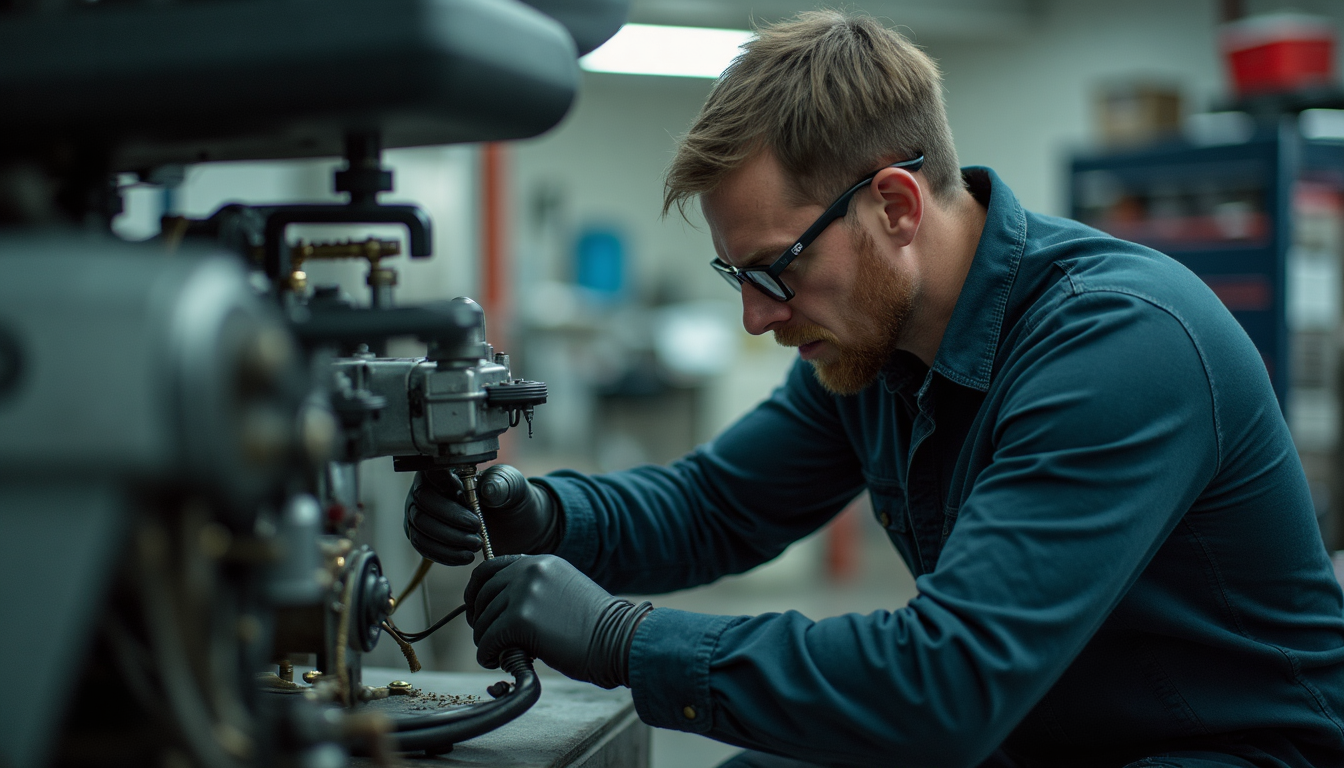
Performing routine maintenance tasks can significantly extend the life of your outboard motor. Here are some essential tasks to include in your maintenance routine:
Change the Oil
Changing the oil regularly is vital for keeping your engine lubricated and running smoothly. Follow these steps:
Warm Up the Engine: This helps the oil drain out more easily.
Remove the Drain Plug: Allow the old oil to drain completely.
Replace the Oil Filter: Always change the oil filter when changing the oil.
Add New Oil: Use the manufacturer-recommended oil type and quantity.
Replace the Fuel Filter
A clean fuel filter ensures that your engine receives the right amount of fuel. Replace the fuel filter at least once a year or as recommended by the manufacturer.
Inspect the Cooling System
The cooling system is crucial for preventing overheating. Here’s how to maintain it:
Check the Water Pump: Ensure it’s functioning properly and replace it if necessary.
Flush the Cooling System: Use fresh water to flush out any salt or debris after each use, especially if you boat in saltwater.
Seasonal Maintenance
As seasons change, so do the maintenance needs of your outboard motor. Here are some seasonal tips:
Pre-Season Maintenance
Before the boating season begins, perform the following:
Inspect the Battery: Check for corrosion and ensure it’s fully charged.
Test the Fuel System: Replace old fuel and check for any leaks.
Check Safety Equipment: Ensure life jackets, flares, and fire extinguishers are in good condition.
Post-Season Maintenance
After the boating season, it’s essential to prepare your motor for storage:
Stabilize the Fuel: Add a fuel stabilizer to prevent fuel degradation.
Change the Oil: Always change the oil before storing to prevent contaminants from sitting in the engine.
Store in a Dry Place: Keep your outboard motor in a dry, protected area to prevent rust and corrosion.
Troubleshooting Common Issues
Even with regular maintenance, issues can arise. Here are some common problems and their solutions:
Engine Won't Start
Check the Battery: Ensure it’s charged and connections are clean.
Inspect the Fuel System: Make sure there’s fuel in the tank and the fuel filter is clean.
Overheating
Check the Cooling System: Ensure the water pump is functioning and there are no blockages.
Inspect the Thermostat: A faulty thermostat can cause overheating.
Poor Performance
Check the Propeller: Ensure it’s not damaged or clogged with debris.
Inspect the Fuel Quality: Old or contaminated fuel can affect performance.
Best Practices for Outboard Maintenance
To keep your outboard motor in top condition, consider these best practices:
Keep a Maintenance Log: Document all maintenance tasks and repairs to track the health of your motor.
Use Quality Parts: Always use manufacturer-recommended parts and fluids for replacements.
Stay Informed: Join local boating clubs or forums to share tips and learn from other boaters.
Conclusion
Maintaining your outboard motor is essential for a safe and enjoyable boating experience. By following these essential maintenance tips, you can ensure your motor runs smoothly and efficiently. Remember, regular inspections, routine maintenance, and seasonal preparations are key to keeping your outboard in top shape.
Take the time to invest in your outboard motor, and it will reward you with many enjoyable days on the water. Happy boating!
Comments